Marketing Automation Slack Integration: 8 Workflow Recipes That Save 15 Hours Weekly
Marketing teams waste countless hours toggling between platforms, manually transferring data, and sending routine notifications that could be automated. Slack integration with marketing automation platforms transforms these time-draining tasks into seamless workflows that operate without human intervention. When properly configured, these integrations eliminate the communication gaps that cause missed opportunities and delayed responses. The right workflow recipes don’t just save time—they accelerate decision-making and create competitive advantages through faster execution. Learn more about Slack integration workflows that convert.
Marketing automation platforms like HubSpot, Marketo, ActiveCampaign, and Pardot now offer robust Slack integration capabilities that connect your marketing engine directly to your team’s primary communication hub. These integrations enable real-time notifications, collaborative lead management, and instant visibility into campaign performance without requiring team members to log into multiple dashboards. The workflows we’re sharing have been proven across hundreds of marketing teams to reclaim between 12 and 20 hours weekly per team member. Each recipe addresses specific bottlenecks that prevent marketing teams from operating at peak efficiency. Learn more about key metrics to track.
Why Marketing Automation Slack Integrations Matter Now
The average marketing professional switches between 10 different applications more than 25 times daily, creating massive productivity losses through context switching alone. Slack has become the central nervous system for modern marketing teams, making it the logical integration point for critical automation workflows. When marketing automation notifications, alerts, and collaborative workflows flow directly into Slack channels, response times decrease from hours to minutes. This velocity matters tremendously in competitive markets where speed-to-lead and rapid campaign optimization determine winners and losers. Learn more about workflow mapping and visualization tools.
Traditional workflows require marketers to manually check dashboards, export reports, notify team members through email, and coordinate responses across fragmented communication channels. These manual processes introduce delays that compound across every campaign and lead interaction. Slack integrations collapse these multi-step processes into single automated workflows that execute instantly. The time savings multiply across team size—a five-person marketing team implementing comprehensive Slack integrations typically recovers 60-75 hours weekly that can be redirected toward strategic initiatives and creative development. Learn more about Zapier vs Make.com comparison.
After testing dozens of automation platforms, I’ve found that LeadFlux AI for lead scoring significantly reduces the time spent qualifying prospects by using behavioral data to prioritize your hottest leads automatically.
Beyond time savings, these integrations fundamentally improve marketing effectiveness by ensuring no high-value lead goes unnoticed and no campaign anomaly remains hidden. Real-time visibility creates accountability and enables agile responses that capitalize on opportunities before they expire. Marketing teams using Slack integrations report 40-60% faster lead response times and 25-35% improvements in campaign optimization cycles. These operational improvements translate directly into revenue impact through higher conversion rates and more efficient customer acquisition costs. Learn more about automation tagging strategy.
The technical barriers to implementing these integrations have largely disappeared with modern no-code and low-code solutions. Most marketing automation platforms now offer native Slack apps or straightforward webhook configurations that require minimal technical expertise. Integration platforms like Zapier, Make, and Workato provide additional flexibility for custom workflows connecting multiple systems. The implementation investment is measured in hours, while the productivity returns accumulate indefinitely across every subsequent marketing initiative.
High-Value Lead Alert Workflows That Accelerate Sales Handoff
The highest-impact Slack integration workflow automatically identifies and broadcasts high-value leads to designated sales or account management channels the moment they hit qualification thresholds. Configure your marketing automation platform to trigger Slack notifications when leads reach specific scoring milestones, exhibit buying intent behaviors, or match ideal customer profiles. These notifications should include essential context: company name, lead score, recent engagement activities, and direct links to the contact record. This immediate visibility ensures sales teams engage qualified prospects within minutes rather than hours or days.
Structure your high-value lead alerts to route different lead types to appropriate channels based on segmentation criteria. Enterprise prospects might trigger notifications in a dedicated channel monitored by senior account executives, while product-qualified leads route to inside sales channels. Include enrichment data from your marketing automation platform—company size, industry, technology stack, and engagement history—to give sales context for personalized outreach. The workflow eliminates the manual lead review process that typically creates 4-8 hour delays between lead qualification and sales contact.
Advanced implementations incorporate interactive Slack buttons that enable sales reps to claim leads, update lead status, or trigger follow-up sequences directly from the notification message. These interactive elements transform Slack from a passive notification system into an active workflow management interface. Sales teams can acknowledge lead receipt, set follow-up reminders, and log initial contact attempts without leaving Slack. This seamless integration maintains momentum and prevents leads from falling through handoff gaps that occur when processes require multiple system interactions.
Monitor your high-value lead alert effectiveness by tracking time-to-contact metrics before and after implementation. Most teams see dramatic improvements—average contact time dropping from 6-12 hours to under 30 minutes. Set notification thresholds carefully to avoid alert fatigue; only truly qualified, sales-ready leads should trigger these high-priority notifications. Consider implementing tiered urgency levels with different notification styles for hot leads versus warm prospects. The goal is creating sustainable workflows that sales teams trust and rely upon rather than notification noise they eventually ignore.
Campaign Performance Monitoring Workflows for Real-Time Optimization
Automated campaign performance digests delivered to Slack eliminate the need for manual report generation and dashboard checking that consumes 5-8 hours weekly for typical marketing teams. Configure scheduled reports that summarize key metrics—email open rates, click-through rates, conversion rates, and lead generation volumes—delivered to campaign-specific Slack channels at optimal intervals. Daily digests work well for active campaigns, while weekly summaries suit evergreen programs. These automated reports ensure every team member maintains current performance awareness without requiring active monitoring.
Threshold-based alerts complement scheduled digests by flagging anomalies and exceptional performance in real-time. Set up workflows that notify channels when campaigns exceed or fall below performance benchmarks—when email bounce rates spike above 5%, when landing page conversion rates drop 20% below baseline, or when webinar registrations surge unexpectedly. These exception-based notifications enable immediate investigation and response rather than discovering problems days later during scheduled review meetings. Marketing managers can diagnose issues and implement corrections within hours rather than allowing suboptimal campaigns to continue wasting budget.
Create dedicated Slack channels for each major campaign or marketing program to organize performance data and enable focused team collaboration. Pin the most recent performance summary to each channel for quick reference and historical tracking. Team members can discuss optimization ideas, share creative variations, and coordinate adjustments in context with current performance data. This centralized collaboration eliminates scattered email threads and ensures optimization discussions remain accessible to all stakeholders. The transparency naturally creates accountability and encourages proactive performance management.
| Workflow Type | Frequency | Key Metrics | Time Saved Weekly |
|---|---|---|---|
| Campaign Performance Digest | Daily | Opens, clicks, conversions, cost per lead | 3-4 hours |
| Threshold Alerts | Real-time | Bounce rate, unsubscribe rate, conversion rate | 2-3 hours |
| Lead Source Analysis | Weekly | Lead volume by source, conversion rates, ROI | 2-3 hours |
| Content Performance Report | Weekly | Downloads, engagement, lead attribution | 2-3 hours |
Enhance campaign monitoring workflows with comparative analysis that benchmarks current performance against historical baselines or industry standards. Automated messages that contextualize metrics—”email open rate 23% higher than campaign average” or “landing page conversion 15% below target”—provide immediate insight without requiring manual calculation. Include direct links to relevant dashboards or campaign assets so team members can drill into details with single clicks. The goal is delivering actionable intelligence that prompts informed decisions rather than raw data requiring interpretation.
Content Distribution and Approval Workflows That Eliminate Bottlenecks
Content approval processes typically involve multiple stakeholders, email threads, version control confusion, and frustrating delays that extend publication timelines unnecessarily. Slack integrations transform these fragmented workflows into streamlined approval chains with complete visibility and accountability. When new content enters your marketing automation system—blog posts, landing pages, email templates, social media posts—trigger Slack notifications to designated approval channels with preview links and contextual information. Approvers can review, provide feedback, and grant approval directly within Slack using message threads and reactions.
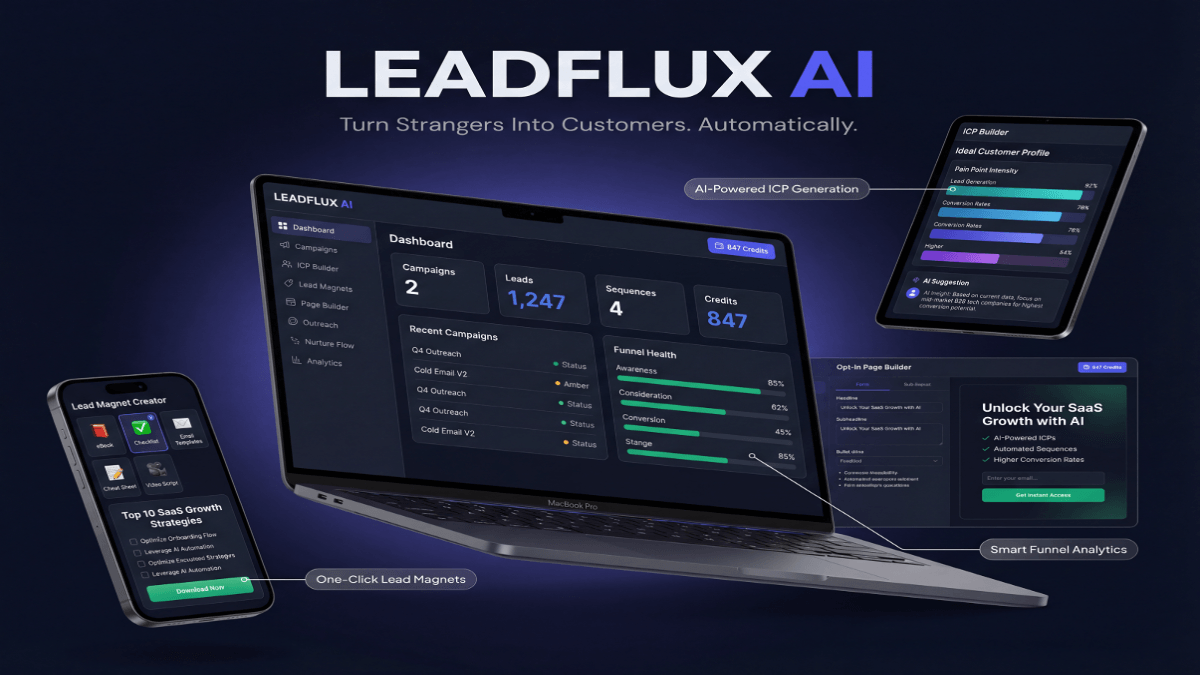
Stop Guessing. Start Converting.
LeadFlux AI Does the Heavy Lifting.
Tracking KPIs is only half the battle — you need a system that turns data into revenue. LeadFlux AI automatically identifies your highest-value prospects, scores leads in real time, and delivers conversion-ready pipelines so you can focus on closing deals, not chasing dead ends.
See How LeadFlux AI WorksImplement staged approval workflows for complex content requiring multiple stakeholder reviews. Configure sequential notifications that route content first to subject matter experts, then to brand compliance reviewers, and finally to executive approval when required. Each approval stage triggers the next notification automatically, maintaining momentum without manual handoffs. Include deadline information and escalation protocols for content stuck in approval limbo beyond acceptable timeframes. These structured workflows reduce average approval cycles from 5-7 days to 1-2 days while maintaining quality standards and brand consistency.
Create content performance feedback loops by automatically posting published content notifications along with real-time engagement metrics to content team channels. When blog posts go live, trigger Slack messages with publication links and initial traffic data. Follow up with automated updates at 24 hours, 72 hours, and one week showing cumulative performance metrics. This continuous feedback helps content creators understand what resonates with audiences and refine their approach based on actual performance data. The visibility also celebrates successful content and recognizes team members whose work drives exceptional engagement.
Content distribution coordination workflows ensure every team member knows when new assets become available for promotion. Automatically notify sales channels when new case studies, product sheets, or competitive intelligence documents publish in your content library. Alert social media managers when new blog posts go live with suggested copy and relevant hashtags pulled from your marketing automation system. These coordinated notifications eliminate the manual communication overhead that typically requires dedicated content managers to spend hours informing stakeholders about new asset availability. The result is faster, more comprehensive content amplification across all marketing and sales channels.
Lead Nurture and Customer Journey Workflows for Enhanced Collaboration
Complex lead nurturing programs span weeks or months with multiple touchpoints, conditional logic, and various team responsibilities. Slack integrations provide visibility into individual prospect journeys that would otherwise remain hidden within marketing automation systems. Configure workflows that notify relevant team members when prospects reach significant journey milestones—completing educational content sequences, attending webinars, requesting demos, or exhibiting buying signals. These milestone notifications enable coordinated responses that feel personalized and timely rather than automated and generic.
Create prospect-specific threads or channels for high-value accounts moving through complex buying journeys. Automatically populate these dedicated spaces with journey progression updates, content consumption history, and behavioral signals indicating changing intent levels. Account teams can collaborate on strategy, share insights from direct interactions, and coordinate multi-channel engagement approaches in centralized locations with complete context. This collaborative visibility prevents disconnected outreach where different team members contact prospects without awareness of parallel conversations or recent interactions.
Implement re-engagement alerts that notify teams when previously cold leads exhibit renewed activity after periods of dormancy. When prospects who went silent six months ago suddenly return to engage with content or revisit your website, trigger Slack notifications that prompt timely follow-up. Include historical context about previous interactions and interests to enable personalized re-engagement rather than generic outreach. These resurrection workflows capitalize on renewed interest that might otherwise go unnoticed until leads progress far enough to trigger standard qualification thresholds.
Marketing teams implementing comprehensive Slack automation workflows report 40-60% faster lead response times and recover an average of 15 hours per team member weekly.
Workflow abandonment alerts identify prospects who begin but don’t complete critical conversion actions—starting but not submitting forms, adding items to cart without purchasing, or registering for events then not attending. These behavioral signals indicate interest combined with friction or hesitation that presents recovery opportunities. Slack notifications enable rapid response with targeted follow-up addressing likely objections or obstacles. Teams can deploy personalized email sequences, trigger retargeting campaigns, or initiate direct outreach based on specific abandonment patterns. The speed and coordination enabled by Slack integration dramatically improves conversion recovery rates compared to delayed batch-processing approaches.
Database Health and List Management Workflows That Prevent Degradation
Marketing databases degrade continuously through invalid email addresses, outdated contact information, duplicate records, and incomplete data that undermines targeting precision and deliverability rates. Slack integrations enable proactive database maintenance by surfacing data quality issues immediately rather than discovering them during campaign execution. Configure workflows that alert data stewardship teams when bounce rates exceed thresholds, when duplicate detection algorithms identify merge candidates, or when batch imports introduce data inconsistencies. These real-time alerts enable prompt remediation before data quality issues compound into serious problems.
Automated list hygiene reports delivered to Slack channels provide visibility into database health metrics that typically require manual analysis. Schedule weekly summaries showing contact acquisition rates, list decay rates, opt-out volumes, and data completeness scores across key fields. Include trend analysis comparing current metrics to historical averages to highlight improving or deteriorating conditions. This continuous monitoring creates accountability for database quality and ensures teams prioritize maintenance activities that protect long-term marketing effectiveness. The visibility also helps marketing leadership justify investments in data enrichment tools and cleansing services.
Compliance monitoring workflows automatically flag potential regulatory violations before they result in penalties or reputation damage. When contacts in regulated regions engage with content without proper consent documentation, trigger Slack alerts to compliance officers. When unsubscribe requests aren’t processed within required timeframes, notify responsible teams immediately. These protective workflows ensure regulatory requirements receive appropriate attention amid busy campaign execution schedules. The automated vigilance supplements human oversight with systematic monitoring that never misses concerning patterns or isolated incidents requiring intervention.
Contact enrichment workflows notify teams when newly available data enables improved segmentation or personalization. When third-party enrichment services append firmographic data, technology stack information, or funding announcements to contact records, trigger Slack notifications to account teams who can leverage the intelligence for timely outreach. When website visitor identification tools match anonymous traffic to known contacts, alert relevant team members who can initiate appropriate nurture sequences. These enrichment alerts transform passive data updates into active intelligence that drives immediate marketing and sales actions.
Implementation Strategy for Maximum Adoption and Impact
Successful Slack integration implementations follow staged rollouts that build user confidence and demonstrate value before expanding to comprehensive workflows. Begin with one or two high-impact workflows that address obvious pain points and deliver immediate time savings—typically high-value lead alerts and basic campaign performance digests. Ensure these foundational workflows function reliably and deliver clear value before adding complexity. This incremental approach prevents overwhelming teams with excessive notifications and allows time to establish channel structures, naming conventions, and usage norms that support scalability.
Invest time in thoughtful channel architecture that organizes workflows logically and prevents notification chaos. Create dedicated channels for different workflow categories—lead alerts, campaign performance, content updates, database management—rather than consolidating everything into single channels. Establish clear naming conventions and channel purposes documented in channel descriptions. Consider creating private channels for sensitive workflows involving confidential data or executive-level notifications. Well-organized channel structures remain functional as integrations expand and team size grows, while poorly planned architectures become unwieldy and eventually abandoned.
Notification tuning is critical for maintaining long-term workflow value and preventing alert fatigue that causes teams to ignore or mute channels. Start with conservative thresholds that generate fewer notifications, then adjust based on team feedback and observed behavior. Monitor channel activity and engagement metrics to identify workflows generating excessive noise or being ignored. Regularly solicit user feedback about notification relevance and timing. The goal is creating sustainable notification volumes that genuinely enhance productivity rather than creating new forms of digital clutter requiring management.
Documentation and training ensure all team members understand workflow purposes, know how to interpret notifications, and can take appropriate actions. Create simple reference guides explaining what each workflow monitors, when notifications trigger, and what responses are expected. Record brief video tutorials showing how to interact with notifications and access linked resources. Schedule onboarding sessions for new team members covering Slack integration workflows as part of standard marketing operations training. Proper enablement transforms workflows from technical implementations into adopted practices that deliver sustained productivity improvements and operational excellence.