Event registration automation transforms how businesses manage conferences, webinars, workshops, and trade shows. The difference between a chaotic event scramble and a smooth, professional experience often comes down to one thing: automation. Learn more about event registration workflows.
Manual event management drains resources and creates gaps where attendees slip through the cracks. Automated workflows handle registration confirmations, reminders, check-ins, and follow-ups without constant oversight. This frees your team to focus on creating memorable experiences rather than chasing administrative tasks. Learn more about webinar registration workflows.
This guide walks you through building a complete event registration automation system that works before, during, and after your event. You’ll discover how to increase attendance rates, engage participants effectively, and convert event attendees into long-term customers. Learn more about post-webinar strategy.
Why Event Registration Automation Matters for Your Business
Events represent massive opportunities for lead generation and relationship building. A single conference can generate hundreds of qualified leads. A webinar series can nurture prospects through your entire sales funnel. Learn more about workflow performance benchmarks.
Without automation, you’re leaving money on the table. Studies show that automated event reminders increase attendance by 20-40%. Follow-up emails sent within 24 hours of an event generate 3x higher engagement than delayed outreach. Learn more about lead magnet sequences.
The ROI impact extends beyond attendance numbers. Automated workflows capture attendee data, track engagement patterns, and segment audiences for personalized marketing. Every touchpoint becomes an opportunity to gather insights and strengthen relationships.
Small businesses particularly benefit from event automation. You gain enterprise-level event management capabilities without hiring additional staff. One person can manage events that would normally require a full team.
Building Your Pre-Event Automation Workflow
Pre-event automation starts the moment someone shows interest in your event. This phase builds anticipation, confirms attendance, and sets expectations. A strong pre-event workflow can increase actual attendance by 30% or more.
Registration Confirmation Sequence
The instant someone registers, trigger an immediate confirmation email. This message should arrive within 60 seconds of registration. Include the event details, date, time, and calendar file attachment so attendees can add it to their schedule with one click.
Your confirmation email serves multiple purposes beyond acknowledgment. It confirms registration details, reduces anxiety about whether the form submitted successfully, and provides next steps. Include links to add the event to Google Calendar, Outlook, and Apple Calendar.
For paid events, the confirmation should include receipt information and clear instructions for accessing the event. For free events, emphasize the value they’ll receive and what to expect.
Strategic Reminder Campaign
Reminders prevent no-shows and keep your event top-of-mind. Set up automated reminders at strategic intervals: two weeks before, one week before, three days before, one day before, and one hour before the event.
- Two-week reminder: Reinforce value and share speaker bios or agenda highlights
- One-week reminder: Create urgency and share preparation tips
- Three-day reminder: Provide practical details like parking or login instructions
- Day-before reminder: Final confirmation with clear access information
- One-hour reminder: Last-minute nudge with direct access link
Each reminder should add new value rather than simply repeating information. Share resources, introduce speakers, preview content, or highlight networking opportunities. This approach maintains engagement without annoying registrants.
Pre-Event Engagement Automation
Between registration and the event date, nurture attendee relationships with targeted content. Send preparatory materials, exclusive previews, or relevant resources that demonstrate your expertise and build anticipation.
For multi-day conferences, create a drip campaign that introduces different aspects of the event. Day one might highlight keynote speakers. Day two showcases breakout sessions. Day three emphasizes networking opportunities.
This pre-event nurturing accomplishes two goals. It increases attendance rates by keeping the event prominent in attendees’ minds. It also warms leads before they arrive, making them more receptive to your messaging during and after the event.
Automating the During-Event Experience
During-event automation keeps things running smoothly while capturing valuable data. This phase requires careful planning because you’re managing live interactions alongside automated systems.
Check-in automation streamlines the registration desk and eliminates bottlenecks. QR code systems allow attendees to self-check-in using their confirmation email. The system updates attendance records automatically and triggers post-check-in workflows.
For virtual events, automated login systems grant access immediately upon arrival. Track attendance duration, session participation, and engagement metrics automatically. This data feeds into your post-event segmentation and follow-up strategies.
Real-time engagement tracking during events provides insights you can act on immediately. If attendees drop off during specific sessions, you know which content needs refinement. If certain topics generate high engagement, you’ve identified interests worth pursuing in follow-up campaigns.
Session-Specific Triggers
Configure automation triggers based on session attendance. Someone who attends your product demo session gets different follow-up content than someone who only attended the general keynote.
Tag attendees based on which sessions they join, how long they stay, and whether they engage with polls or Q&A sessions. These behavioral signals indicate interest levels and allow for precise post-event segmentation.
For hybrid events mixing virtual and in-person attendance, automation handles the complexity of dual audiences. Virtual attendees receive digital resources instantly. In-person attendees get location-specific information and networking opportunities.
Real-Time Resource Delivery
Automate the delivery of session materials, slides, and resources immediately after each presentation ends. Attendees appreciate instant access to content while it’s fresh in their minds.
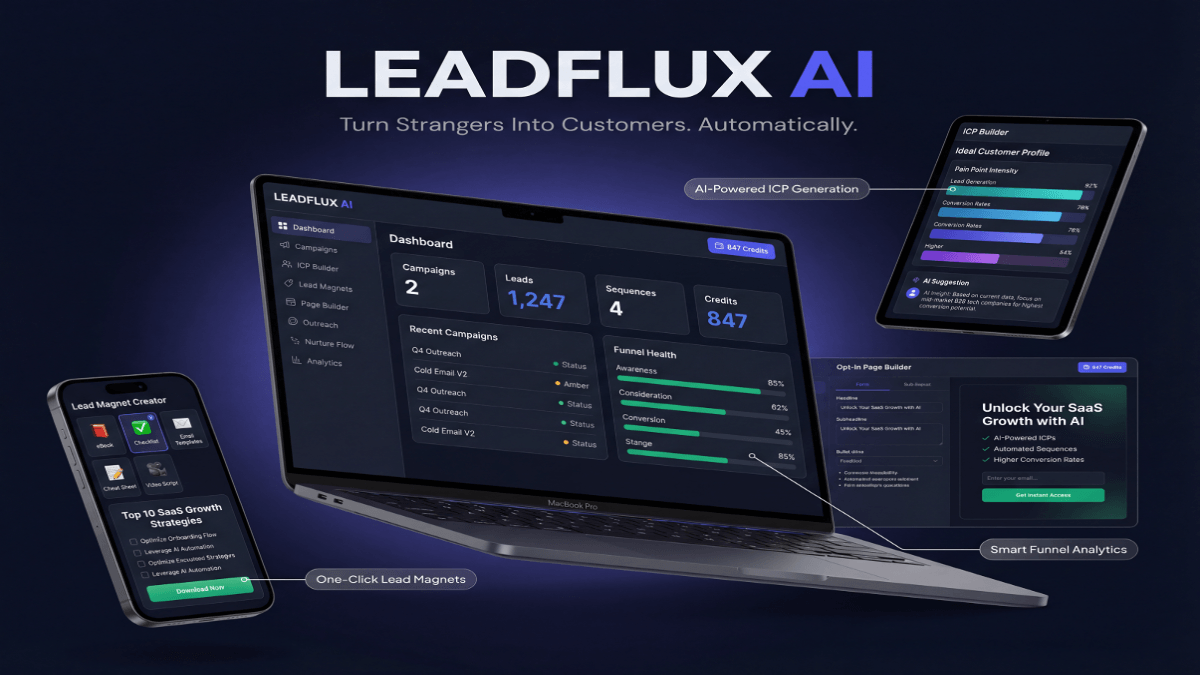
Stop Guessing. Start Converting.
LeadFlux AI Does the Heavy Lifting.
Tracking KPIs is only half the battle — you need a system that turns data into revenue. LeadFlux AI automatically identifies your highest-value prospects, scores leads in real time, and delivers conversion-ready pipelines so you can focus on closing deals, not chasing dead ends.
See How LeadFlux AI WorksSet up triggered emails that fire when sessions conclude. Include presentation slides, additional resources, speaker contact information, and related content offers. This immediate delivery captures attention when engagement is highest.
For sponsors and exhibitors, automation can deliver leads in real-time. When attendees visit a sponsor booth or download sponsor content, trigger immediate lead notifications. This allows sponsors to follow up while conversations are fresh.
Post-Event Follow-Up Automation That Converts
The post-event phase determines whether your event generates lasting business value or becomes a one-time interaction. Most event ROI comes from effective follow-up, yet this is where many organizations drop the ball.
Start your post-event automation within 24 hours. Speed matters tremendously. Leads contacted within 24 hours convert at significantly higher rates than those contacted even 48 hours later.
- Send a thank-you email within 12 hours of event conclusion
- Deliver promised resources and recordings within 24 hours
- Segment attendees based on engagement levels and interests
- Launch targeted nurture campaigns based on attendee behavior
- Schedule sales outreach for high-engagement attendees
- Request feedback through automated survey distribution
- Continue value delivery through ongoing email sequences
Segmented Follow-Up Sequences
Not all attendees are equal. Someone who attended every session and asked multiple questions shows different intent than someone who registered but never showed up.
Create distinct follow-up paths for different attendee segments. High-engagement attendees receive sales-focused content and direct outreach. Medium-engagement attendees enter nurture sequences with educational content. Low-engagement or no-show registrants receive re-engagement campaigns.
Tag attendees based on specific criteria: sessions attended, questions asked, resources downloaded, booth visits, networking participation, and poll responses. Each tag triggers appropriate follow-up content.
For virtual events, leverage detailed engagement analytics. Track which attendees watched recordings, how much they watched, and which calls-to-action they clicked. This behavioral data reveals purchase intent more accurately than demographic information alone.
Essential Automation Tools and Integration
Building an event registration automation system requires the right technology stack. You need tools that work together seamlessly and scale with your event program.
Your core platform should handle registration, payment processing, and basic automation. Popular options include Eventbrite, Cvent, and Hopin for larger events. For webinars, platforms like Zoom and GoToWebinar include built-in registration.
Connect your event platform to your email marketing and CRM systems. This integration ensures attendee data flows automatically into your broader marketing database. You can then trigger sophisticated workflows based on event behavior.
| Tool Category | Primary Function | Key Integration Points |
|---|---|---|
| Event Platform | Registration and event management | CRM, email marketing, calendar apps |
| Email Automation | Triggered campaigns and sequences | Event platform, CRM, analytics |
| CRM System | Contact management and lead scoring | Event platform, email, sales tools |
| Analytics Platform | Tracking and reporting | Event platform, email, website |
| Calendar Integration | Automated calendar invites | Event platform, email marketing |
Integration middleware like Zapier or Make connects different platforms without custom coding. Create workflows that trigger actions across multiple systems based on event behaviors.
For example, when someone registers for an event in Eventbrite, automatically create or update their contact record in your CRM, add them to an email sequence, send a Slack notification to your team, and add the event to a tracking spreadsheet.
Measuring Event Automation Success
Track metrics that matter for business growth, not vanity metrics. Registration numbers mean little if attendees don’t show up or convert into customers.
Monitor registration-to-attendance conversion rates. Industry benchmarks suggest 40-60% attendance for free events and 60-80% for paid events. If your rates fall below these ranges, your reminder automation needs work.
Track email engagement metrics throughout your event workflow. Open rates for reminder emails should exceed 40%. Click-through rates should exceed 10%. Low engagement signals that your messaging needs refinement or your audience needs better segmentation.
Most importantly, measure post-event conversion rates. What percentage of attendees become leads? How many leads convert to customers? What’s the revenue per attendee? These metrics demonstrate true ROI and justify continued event investment.
Set up automated reporting dashboards that display key metrics without manual data compilation. Your automation system should generate reports showing registrations, attendance, engagement, and conversion data in real-time.
Common Event Automation Mistakes to Avoid
Even sophisticated automation systems fail when built on flawed assumptions. Avoid these common pitfalls that undermine event registration automation.
Over-automation creates robotic, impersonal experiences. Yes, automate repetitive tasks. But maintain human touchpoints where they matter most. High-value attendees deserve personal outreach from sales team members, not just automated sequences.
Generic messaging kills engagement. Customize your automated content based on attendee characteristics. A CEO registering for your conference has different needs than a junior staff member. Segment your communications accordingly.
Insufficient testing leads to embarrassing failures. Test every automation workflow before launching it to your full audience. Send test registrations through your system. Verify that emails trigger correctly, timing works as intended, and personalization fields populate properly.
Poor mobile optimization frustrates attendees. Most people check event emails on mobile devices. Ensure your registration forms, confirmation emails, and event access links work flawlessly on smartphones and tablets.
Neglecting data hygiene creates problems. Duplicate registrations, incomplete contact information, and invalid email addresses corrupt your database. Build data validation into your registration forms and implement deduplication rules in your CRM.
Advanced Event Automation Strategies
Once you’ve mastered basic event automation, advanced strategies multiply your results. These tactics separate sophisticated event marketers from beginners.
Implement progressive profiling in your registration forms. Rather than asking for extensive information upfront, collect basic details initially and gather additional data through post-event surveys and subsequent event registrations. This approach reduces registration friction while building comprehensive contact profiles over time.
Use behavioral lead scoring to prioritize follow-up. Assign points for registration, attendance, session participation, content downloads, and question submissions. High-scoring leads receive immediate sales outreach. Lower-scoring leads enter longer nurture sequences.
Create event series with connected automation. When someone attends your introductory webinar, automatically invite them to advanced sessions. Build learning paths that guide attendees through increasingly sophisticated content while moving them down your sales funnel.
The most successful event marketers think beyond individual events. They build event ecosystems where each event connects to the next, creating ongoing engagement cycles that compound over time.
Implement dynamic content in your event emails. Show different content blocks based on attendee characteristics, past behavior, or registration source. Someone who registered from a paid ad sees different messaging than someone referred by a partner.
Automate speaker and sponsor coordination alongside attendee management. Send automated briefing materials to speakers, collect presentation files, and distribute sponsor leads automatically. This reduces administrative burden and ensures consistent experiences across all event stakeholders.
The most effective marketers today build a smarter lead generation funnel using automation rather than relying on manual outreach alone.
Scaling Your Event Automation Program
As your event program grows, automation becomes even more critical. Running dozens of events annually without robust automation is impossible for small teams.
Build reusable workflow templates for different event types. Create a webinar template, a conference template, and a workshop template. Each template includes pre-configured email sequences, automation rules, and reporting dashboards. Simply clone the appropriate template when launching a new event.
Standardize your event communication calendar. Decide which reminder emails go out at which intervals, what post-event sequence looks like, and how long nurture campaigns run. Consistency makes your automation system predictable and easier to manage.
Document your automation workflows thoroughly. Create playbooks that explain how each workflow functions, what triggers activate it, and what outcomes to expect. This documentation enables team members to manage the system effectively and troubleshoot issues quickly.
Implement regular audits of your automation system. Monthly reviews ensure workflows still function correctly, email content remains relevant, and automation rules align with current business objectives. Technology and business needs evolve, so your automation must evolve too.
Turning Event Automation Into Revenue
Event registration automation exists to drive business results. Every automated touchpoint should move attendees closer to becoming customers.
Align your event automation with your sales process. Map out how attendees move from initial interest to qualified lead to sales conversation. Identify which event behaviors indicate purchase intent and trigger appropriate sales actions.
Create automated paths to purchase. After high-value events, segment highly engaged attendees and offer them exclusive opportunities: private demos, consultation calls, or special promotions. Make it easy for interested prospects to take the next step.
Build recurring revenue through event series subscriptions. Offer annual passes to your event program with automated billing, access control, and exclusive member benefits. This model transforms one-time attendees into ongoing customers.
Track revenue attribution accurately. Connect event attendance to closed deals in your CRM. Measure which events generate the highest-value customers and optimize your event calendar accordingly. Some events may generate fewer leads but higher deal values, making them more valuable than high-volume events.
Successful event automation isn’t about replacing human connection. It’s about removing friction, maintaining consistent communication, and ensuring no opportunity falls through the cracks. When implemented correctly, automation enhances relationships rather than replacing them.
Start with one event and build your automation system incrementally. Test workflows, measure results, and refine based on data. As your system proves effective, expand it across your entire event program. The compound effect of consistent, automated event marketing transforms your business growth trajectory.
Resources for further learning include HubSpot’s Event Marketing Guide, Salesforce’s Marketing Automation resources, and industry-specific event marketing communities where practitioners share proven tactics and workflow templates.