Webinar Replay Optimization: 12 Tactics to Generate Leads from Recorded Content
Your live webinar attracted 200 registrants and generated 45 qualified leads. Now what? Most marketers move on to planning the next event, leaving recorded webinar content to gather digital dust on a landing page. This is a costly mistake that leaves money on the table. Learn more about webinar replay funnel optimization.
Webinar replay optimization transforms one-time events into evergreen lead generation assets. The recorded content you already created can work 24/7 to capture leads, nurture prospects, and drive conversions long after the live session ends. Smart marketers understand that the real value of a webinar extends far beyond the initial broadcast. Learn more about marketing automation for webinar funnels.
In this guide, you will discover 12 proven tactics to maximize lead generation from your webinar replays. These strategies will help you extract more value from content you have already produced while building a sustainable pipeline of qualified prospects. Learn more about lead magnet delivery workflows.
Why Webinar Replays Matter for Lead Generation
Webinar replays solve a fundamental challenge in digital marketing: creating compelling content takes time and resources. Recording one quality webinar gives you an asset that can generate leads for months or even years. Learn more about multi-step vs single-step forms.
The numbers support this approach. Studies show that 70% of webinar registrants never attend the live session, but many will watch a replay if given the opportunity. These on-demand viewers often convert at higher rates because they are actively seeking solutions rather than committing to a specific time slot. Learn more about micro-conversion optimization tactics.
Replay optimization also creates multiple touchpoints throughout the buyer journey. A prospect might discover your replay through search, consume the content at their convenience, and return to engage with additional resources when they are ready to move forward.
1. Create a Dedicated Replay Landing Page
Your webinar replay needs a permanent home that is optimized specifically for lead capture. A dedicated landing page gives you complete control over the user experience, messaging, and conversion elements.
Design your replay landing page with a clear value proposition in the headline. Explain exactly what viewers will learn and why this content matters right now. Include social proof like attendee testimonials or statistics about previous webinar performance.
Place your registration form above the fold before the video player. This gate approach might seem counterintuitive, but it ensures every viewer provides contact information before accessing the content. Test form length against conversion rates to find your optimal balance between information gathered and friction created.
Add trust signals throughout the page including speaker credentials, company logos, and privacy assurances. Make it easy for visitors to understand they are accessing valuable content from credible sources.
2. Implement Strategic Video Gating
Gating strategies determine when and how you collect lead information. The right approach depends on your audience, content value, and marketing goals.
Complete pre-registration requires form submission before any video access. This maximizes lead capture but increases bounce rates. Use this method for high-value content or when targeting bottom-funnel prospects who already recognize your brand value.
Partial gating shows the first 10-15 minutes before requiring registration. This preview approach lets prospects experience the content quality before committing their information. It works well for longer webinars where early content builds interest for more detailed insights later.
Progressive gating collects additional information at strategic points throughout the replay. Start with email only, then request company details or use case information during natural breaks. This reduces initial friction while building a more complete lead profile over time.
3. Optimize for Search Engine Visibility
Webinar replays represent evergreen content opportunities that can rank for valuable search terms. Many prospects actively search for educational content before evaluating solutions, making SEO optimization essential for long-term lead generation.
Start by conducting keyword research around your webinar topic. Identify phrases that prospects use when searching for information related to your presentation content. Focus on long-tail keywords with moderate search volume and clear commercial intent.
Create descriptive page titles and meta descriptions that include target keywords naturally. Write a comprehensive text description of the webinar content including key takeaways, speaker information, and topic coverage. Search engines cannot watch videos but they index surrounding text extensively.
Add structured data markup for video content including duration, upload date, and thumbnail images. This helps search engines understand your content type and may earn enhanced search result features like video thumbnails.
4. Add Interactive Elements Within the Replay
Static replay videos miss opportunities to engage viewers and capture additional lead information. Modern video platforms support interactive elements that transform passive viewing into active participation.
Insert clickable calls-to-action at strategic moments throughout the video. When your speaker mentions a resource, tool, or case study, overlay a button that captures interest immediately. Time these CTAs to match content relevance rather than arbitrary intervals.
Add polling questions that pause the video and request viewer input. Polls serve double duty by increasing engagement while collecting valuable data about prospect needs, challenges, and interests. Use these insights to segment leads and personalize follow-up communications.
Include chapter markers that let viewers jump to specific topics. This improves user experience while generating data about which segments attract the most interest. Track these interactions to understand what content resonates most strongly with your audience.
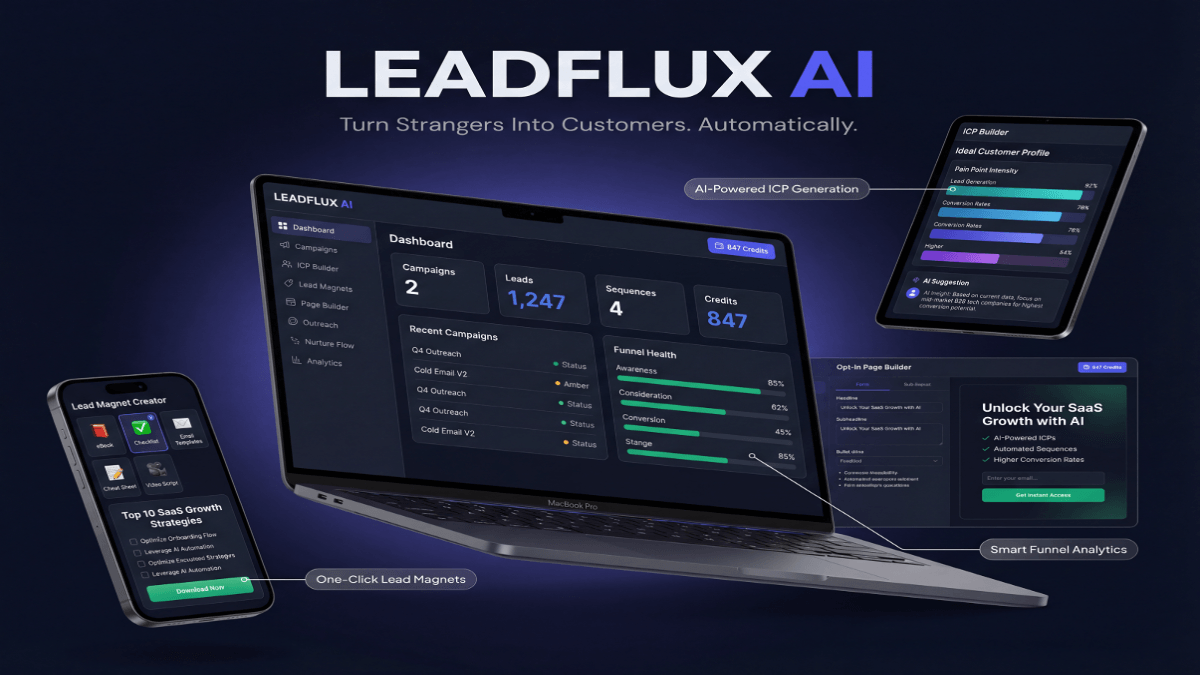
Stop Guessing. Start Converting.
LeadFlux AI Does the Heavy Lifting.
Tracking KPIs is only half the battle — you need a system that turns data into revenue. LeadFlux AI automatically identifies your highest-value prospects, scores leads in real time, and delivers conversion-ready pipelines so you can focus on closing deals, not chasing dead ends.
See How LeadFlux AI Works5. Surround Replays with Relevant Lead Magnets
Your replay landing page should function as a hub for related resources. Strategically placed lead magnets extend engagement beyond the video while capturing prospects at different stages of awareness.
Create a downloadable resource that complements the webinar content. If your replay covers email marketing best practices, offer a template library or checklist. Position this bonus content as a natural next step that provides immediate implementation value.
Display related case studies or success stories near the video player. Prospects who just consumed educational content are primed to see real-world applications. Case studies bridge the gap between theoretical knowledge and practical implementation.
Promote additional webinar replays on related topics. If a viewer found one presentation valuable, they will likely appreciate others. Build a content ecosystem where each asset leads naturally to the next while capturing progressive engagement data.
6. Leverage Email Marketing for Replay Promotion
Email remains one of the most effective channels for promoting webinar replays to existing contacts and nurturing new leads. A strategic email sequence maximizes replay views while moving prospects through your funnel.
Send an immediate replay email to registered attendees who missed the live session. Address this segment within 2-4 hours after the webinar ends while interest remains high. Use subject lines that create urgency like “Your webinar replay expires soon” even if access is actually permanent.
Segment your existing email list by interests and challenges. Promote relevant replays to subscribers who match the target audience profile. Personalize messages based on known pain points that the webinar addresses directly.
Create a replay digest email that showcases your most valuable recorded webinars. Send this quarterly to new subscribers or periodically to engaged segments. Position it as a curated learning library rather than a generic promotion.
| Email Type | Send Timing | Target Audience | Primary Goal | Average Open Rate |
|---|---|---|---|---|
| Immediate Replay | 2-4 hours post-webinar | Registered no-shows | Maximize replay views | 45-55% |
| Reminder Email | 24 hours post-webinar | Non-openers from first email | Second chance engagement | 25-35% |
| Segmented Promotion | Ongoing evergreen | Topic-matched subscribers | Nurture existing leads | 20-28% |
| Replay Digest | Quarterly | All active subscribers | Content discovery | 18-24% |
| Re-engagement Campaign | For older replays | Cold or dormant leads | Reactivate interest | 12-18% |
The data above represents averages — your results will vary based on implementation quality and consistency.
7. Repurpose Replay Content Across Multiple Formats
One webinar recording contains dozens of content assets waiting to be extracted. Repurposing multiplies your lead generation opportunities while reaching prospects who prefer different content formats.
Extract the audio track and publish it as a podcast episode. Audio content serves commuters, multitaskers, and prospects who prefer listening over watching. Include detailed show notes with key takeaways and a link back to the full replay for those who want visual elements.
Create blog posts from webinar segments. Each major section or teaching point can become a standalone article. Link back to the replay for viewers who want the complete presentation while capturing organic search traffic from specific topic angles.
Design social media snippets highlighting the most compelling moments. Short video clips 60-90 seconds long work perfectly for LinkedIn, Twitter, and Instagram. Each snippet should deliver value independently while teasing the full replay for interested viewers.
Compile transcript text into a downloadable PDF guide. Some prospects prefer reading over watching video content. Offer the transcript as a gated asset that captures leads while providing an alternative consumption method.
8. Build Automated Nurture Sequences for Replay Viewers
Viewing a webinar replay signals interest and engagement. Smart marketers trigger automated follow-up sequences that capitalize on this warm behavior immediately.
Create a post-view email series that delivers additional value. Start with a thank-you message that includes key resources mentioned during the presentation. Follow with educational content that deepens understanding and positions your solution as the logical next step.
Implement behavioral triggers based on viewing patterns. Someone who watches 80% of your replay demonstrates high interest and should receive more aggressive sales outreach. Viewers who drop off early might need different content that addresses preliminary concerns or awareness gaps.
Score leads based on replay engagement combined with other behaviors. Assign points for registration, viewing completion, CTA clicks, and resource downloads. Route high-scoring leads to sales while keeping lower-scoring prospects in nurture tracks until they demonstrate purchase readiness.
9. Use Paid Advertising to Drive Replay Traffic
Organic promotion reaches existing audiences effectively but paid advertising unlocks entirely new prospect pools. Strategic ad campaigns can make webinar replays profitable lead generation engines.
Run LinkedIn Sponsored Content campaigns targeting specific job titles, industries, and company sizes. LinkedIn’s professional context makes it ideal for B2B webinar promotion. Use video ads that show compelling snippets from your replay to stop the scroll and generate interest.
Launch Google Search campaigns targeting keywords related to your webinar topic. Prospects actively searching for solutions are highly qualified leads. Bid on educational keywords that indicate research-phase buyers looking for information before vendor evaluation.
Create retargeting campaigns for website visitors who did not register for your replay. Show ads highlighting specific benefits and outcomes from the webinar. Overcome initial hesitation by emphasizing the on-demand convenience and immediate access.
Test different ad formats including image, video, and carousel ads. Measure cost per lead alongside lead quality metrics to optimize budget allocation. Some formats generate higher volume while others attract better-qualified prospects.
10. Implement Exit-Intent Lead Capture
Not every replay viewer will convert on your primary call-to-action. Exit-intent technology gives you one more opportunity to capture lead information before prospects leave your landing page.
Configure exit-intent popups that trigger when visitors show leaving behavior like moving the cursor toward the browser tab. Offer a lighter-commitment resource than your primary CTA. If your main offer is a product demo, the exit popup might promote a simple checklist or template download.
Time your exit popup to appear only after meaningful engagement. Wait until visitors have watched at least 25% of the replay before showing the overlay. This ensures you are targeting engaged prospects rather than immediate bouncers.
A/B test different exit offers to maximize conversion rates. Try various headlines, value propositions, and content formats. What works for one audience segment might underperform for another based on industry, role, or challenge.
11. Create Webinar Replay Collections and Series
Individual replays generate leads effectively but collections create binge-worthy content experiences that accelerate prospect education and qualification.
Organize related webinars into learning paths or topic series. A prospect interested in email marketing might appreciate a collection covering strategy, design, automation, and analytics. Present these as a curriculum that guides viewers through progressive levels of expertise.
Build a Netflix-style replay library with categories, search functionality, and personalized recommendations. This positions your brand as an educational resource rather than just a vendor. The more time prospects spend consuming your content, the stronger your relationship becomes.
Gate collections differently than individual replays. Require registration for library access but allow unlimited viewing once inside. This approach maximizes the perceived value of registration while encouraging deeper engagement across multiple assets.
Track which replay combinations correlate with higher conversion rates. Prospects who watch specific webinar sequences might demonstrate buying patterns you can replicate. Use these insights to create recommended viewing paths that guide leads toward purchase decisions.
12. Analyze Performance Data and Optimize Continuously
Webinar replay optimization is not a set-it-and-forget-it strategy. Regular analysis of performance metrics reveals opportunities to improve lead quality, quantity, and conversion rates.
Track viewing duration and drop-off points within your replays. Segments where viewers consistently disengage might need editing, or they might indicate natural conclusion points for different audience segments. Use this data to create shortened versions for time-constrained prospects.
Monitor conversion rates at every stage of your funnel. Calculate the percentage of page visitors who register, registered leads who view, and viewers who take desired next actions. Identify bottlenecks and test improvements systematically.
Analyze lead source data to understand which promotion channels deliver the highest quality prospects. Traffic from organic search might convert differently than paid social traffic. Allocate resources to channels that generate leads most likely to become customers.
Survey replay viewers to gather qualitative feedback. Ask what motivated them to watch, what value they received, and what questions remain unanswered. Use these insights to improve future webinar topics and replay optimization strategies.
Putting It All Together: Your Replay Optimization Action Plan
Webinar replay optimization transforms finite live events into infinite lead generation opportunities. The 12 tactics covered in this guide work together to maximize the return on your content investment while building sustainable prospect pipelines.
Start by auditing your existing webinar recordings. Which replays could generate immediate value with basic optimization? Prioritize your highest-quality content and most relevant topics for your current marketing goals.
Implement these strategies incrementally rather than attempting everything simultaneously. Begin with dedicated landing pages and email promotion, then layer in SEO optimization, paid advertising, and advanced tactics as you build momentum.
Remember that webinar replay optimization is not just about lead quantity. Focus equally on lead quality by tracking how replay-sourced leads progress through your funnel compared to other sources. Adjust your gating strategies, promotion channels, and nurture sequences based on which approaches deliver prospects most likely to become customers.
The most successful marketers treat webinar replays as living assets that evolve based on performance data and audience feedback. Test different approaches, measure results rigorously, and optimize continuously. Your past webinars contain untapped potential waiting to fuel your future growth.
For more lead generation strategies, explore our guides on email list building techniques and landing page optimization best practices. External resources like Wistia’s video marketing hub and HubSpot’s webinar marketing guides offer additional insights into maximizing recorded content performance.